


Air Pollution Effects on Lungs: Symptoms, Long Term Risks and Prevention
Air Pollution Effects on Lungs Explained Clearly
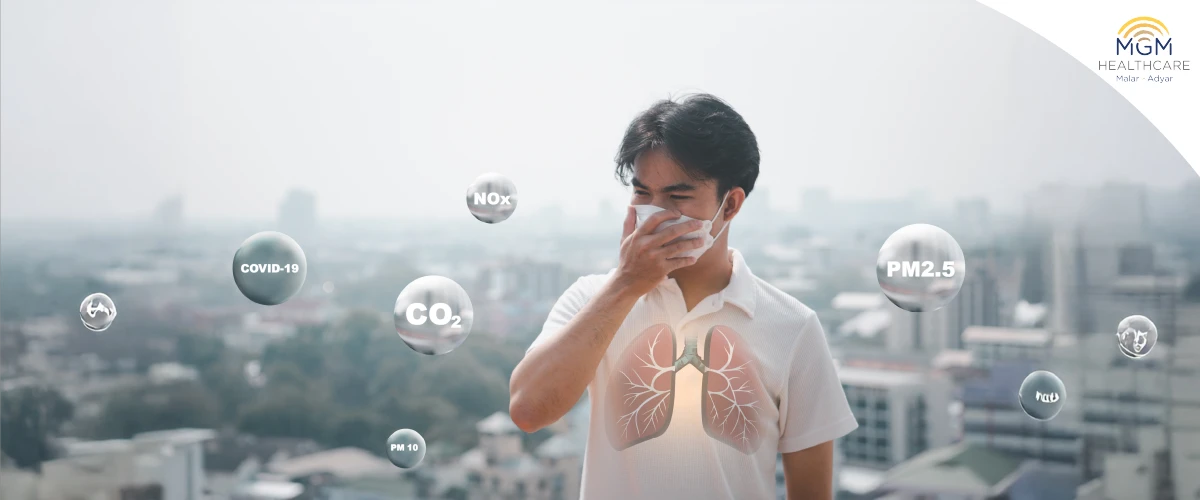
Air pollution effects on lungs begin with airway irritation but can progress to chronic inflammation, reduced lung capacity, and long term respiratory disease. Continuous exposure to fine particles such as PM2.5 increases the risk of asthma, chronic bronchitis, and even COPD in non-smokers.
What Are Air Pollution Effects on Lungs
Air pollution effects on lungs refer to structural and functional damage caused by repeated exposure to fine particulate matter, vehicle emissions, ozone, and industrial smoke.
These particles reach deep lung tissue, causing inflammation, airway narrowing, and reduced oxygen exchange.
The World Health Organization links long term exposure to higher respiratory and cardiovascular risk. MGM Malar Hospital delivers advanced lung diagnostics and respiratory support for pollution related health issues.
How Air Pollution Damages the Lungs Step by Step
- Inhalation of polluted air containing microscopic particles
- Deposition of particles deep inside the bronchial tubes and alveoli
- Activation of inflammatory immune response
- Swelling and narrowing of air passages
- Reduced lung elasticity and airflow limitation
- Impaired oxygen transfer to the bloodstream
Patients experiencing persistent symptoms should consider evaluation under a specialist in pulmonology to assess early airway changes.
Early Symptoms of Pollution Related Lung Damage
The initial symptoms are often subtle. Many patients report:
- Persistent cough lasting more than three weeks
- Breathlessness during daily activities
- Chest tightness without infection
- Wheezing or whistling sounds while breathing
- Frequent chest infections
- Reduced stamina
In clinical practice, non smokers exposed to high traffic zones often present with early airway inflammation even without severe symptoms.
Red flag symptoms requiring urgent evaluation include blood in sputum, sudden chest pain while breathing, or bluish lips.
Long Term Effects of Air Pollution on Lungs
When chronic inflammation is ignored, the following conditions may develop:
- Chronic bronchitis
- Worsening asthma
- Chronic Obstructive Pulmonary Disease in non smokers
- Increased susceptibility to infections
- Decline in lung capacity
- Elevated risk of lung cancer
- Higher risk of heart disease and stroke
Large epidemiological studies confirm that air pollution does not only affect lungs but also increases overall mortality risk.
Who Is at Higher Risk
Certain groups experience stronger air pollution effects on lungs:
- Children whose lungs are still developing
- Adults above forty
- Asthma and allergy patients
- Outdoor workers and traffic police
- Urban residents in high AQI regions
- Pregnant women
- Individuals with pre existing heart disease
Preventive screening in these groups is strongly recommended.
How Doctors Diagnose Pollution Related Lung Damage
Evaluation typically includes:
- Detailed exposure history including residence and occupation
- Physical examination of lungs
- Spirometry to measure airflow limitation
- Chest X ray when required
- CT scan in suspected structural damage
- Blood oxygen measurement
- Allergy or asthma evaluation
A consultation with our pulmonology specialist at MGM Malar Hospital helps interpret these results accurately and plan appropriate treatment.
How to Reduce Air Pollution Effects on Lungs
Practical prevention strategies include:
- Monitoring daily Air Quality Index reports
- Avoiding outdoor exercise during peak pollution
- Wearing properly fitted N95 masks during heavy smog
- Improving indoor ventilation
- Using HEPA air purification systems
- Avoiding indoor smoking
- Maintaining antioxidant rich diet
- Scheduling periodic lung health checkups
Preventive habits significantly reduce cumulative inflammatory damage.
When to See a Doctor
Consult a specialist if you experience:
- Ongoing cough beyond three weeks
- Increasing breathlessness
- Repeated respiratory infections
- Unexplained fatigue
- Chest discomfort
- Blood in sputum
Early evaluation helps prevent irreversible lung function decline.
Key Takeaways
- Air pollution effects on lungs can begin silently and progress gradually.
- Persistent respiratory symptoms should not be ignored.
- Long term exposure increases risk of chronic lung and heart disease.
- Early lung function testing detects reversible inflammation.
- Preventive measures reduce long term health risk.
Conclusion
Air pollution effects on lungs can worsen over time if ignored. Persistent cough, breathlessness, or chest tightness should not be considered normal pollution exposure.
Early evaluation by a pulmonology specialist helps detect lung changes before permanent damage develops. If you are experiencing symptoms, visit our Contact Us page to book a consultation with our respiratory care team.
Frequently Asked Questions
Air pollution in urban India causes chronic airway inflammation due to daily exposure to fine particles like PM2.5 and vehicle emissions. Over time, it reduces lung capacity, worsens asthma, and increases the risk of chronic respiratory disease.
Common symptoms include persistent cough, breathlessness, chest tightness, wheezing, and throat irritation. If symptoms last more than three weeks, medical evaluation is advised.
Yes. Long term exposure to polluted air can cause structural lung changes and airflow limitation, leading to chronic conditions such as bronchitis or COPD.
Yes. Prolonged exposure to high pollution levels can trigger chronic airway inflammation and lead to COPD even in non-smokers.
Contact Us
Appointments
Emergency
MGM - Malar Adyar
Old No. 52 New No. 111, 1 st Main Road, Gandhi Nagar, Adyar, Chennai – 600020


At MGM Malar - Adyar Hospital, our philosophy centers on alleviating the apprehension associated with illness. Recognizing that confronting health challenges entails both physical and emotional struggles, our devoted team is steadfast in delivering outstanding healthcare to enhance your overall wellness and alleviate the stress that accompanies medical conditions. Situated in the heart of the city with a 141-bed facility, we are dedicated to supporting you throughout your healthcare journey.