


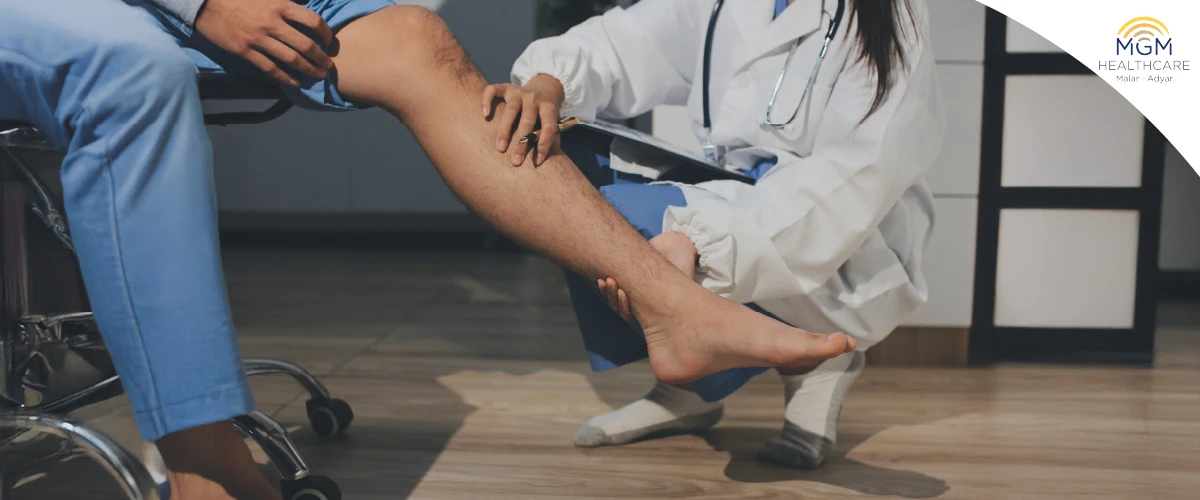
Varicose Veins Treatment in Chennai: Common Mistakes That Damage Leg Veins
Common Mistakes That Damage Leg Veins and How to Prevent Them
Varicose veins are not just a cosmetic concern. They are a sign of poor blood circulation that can worsen over time if ignored. Everyday habits such as prolonged sitting, tight clothing, and overlooking early leg discomfort weaken vein valves and cause blood to pool in the legs.
With early care and timely varicose veins treatment in Chennai, vein damage can be slowed or prevented. MGM Malar, follows a patient-first approach supported by modern diagnostics and specialist care.
Common Habits That Damage Leg Veins
Many daily choices may seem harmless, but they gradually increase pressure on leg veins and disrupt healthy blood flow.
- Prolonged sitting or standing reduces circulation and causes swelling and vein enlargement
- Tight clothing or frequent use of high heels restricts blood flow
- Excess body weight and high-salt diets increase fluid retention and vein pressure
- Skipping leg elevation allows blood to pool due to gravity
- Ignoring family history increases risk in people with weak vein valves
These habits become especially harmful during pregnancy, hot weather, or long working hours.
How These Mistakes Affect Your Legs Over Time
Poor vein health develops gradually, but the damage can become serious if left untreated.
- Valve weakness: Blood flows backward, causing bulging veins, aching, and cramps
- Weight-related pressure: Extra strain damages small vessels, leading to skin discoloration and restlessness
- Delayed care: Untreated symptoms progress to chronic swelling, eczema, and ulcers
- Weak calf muscles: Reduced blood pumping increases clot risk
- Ignoring symptoms: Hardened veins restrict circulation and raise the risk of complications
Early diagnosis helps prevent long-term damage.
Warning Signs That Should Not Be Ignored
Varicose veins often develop silently. Watch for these signs of poor circulation:
- Persistent pain, heaviness, or burning sensation in the legs
- Swelling in ankles or feet that worsens by evening
- Itchy, darkened, or inflamed skin around veins
- Night-time leg cramps or restless legs
- Visible twisted or rope-like veins
- Bleeding spots or hardened lumps on the calves
Early intervention prevents these symptoms from progressing.
How Doctors Evaluate Varicose Veins
Doctors assess vein health using simple, non-invasive methods:
- Physical examination for swelling, tenderness, or bulging veins
- Duplex ultrasound to detect valve leaks and blood flow issues
- Risk assessment based on age, weight, pregnancy, and occupation
- Lifestyle and family history evaluation
- Vein mapping to determine the most effective treatment plan
These steps help personalise varicose veins treatment in Chennai for better outcomes.
Who Is at Higher Risk?
Certain groups are more likely to develop vein problems:
- Pregnant women or those with hormonal changes
- People with desk jobs or long hours of standing
- Overweight individuals or those with a family history
- Older adults with weakened vein valves
- Frequent travellers or long-distance drivers
Identifying risk early allows timely care.
Daily Steps to Improve Vein Health
Simple lifestyle changes can significantly reduce vein stress:
- Walk for at least 30 minutes daily to improve circulation
- Use graduated compression stockings as advised
- Elevate legs for 15 minutes, two to three times a day
- Eat a low-salt, high-fiber diet to reduce swelling
- Avoid crossing legs or sitting for long periods
These routines help you become more resistant to pooling.
When Should You See a Doctor?
Consult a specialist if pain persists, swelling does not reduce, skin changes appear, or ulcers develop. Early medical attention prevents complications such as clots and ulcers. Modern options like sclerotherapy and laser vein treatment are safe and minimally invasive.
At MGM Malar, patients receive comprehensive vascular evaluation, preventive care, and advanced treatment options for varicose veins.
Frequently Asked Questions
No. Early vein pooling can progress to pain, clots, or ulcers if untreated.
They help relieve symptoms but may not correct underlying vein damage in all cases.
Yes. Regular walking and calf exercises improve circulation and reduce symptoms.
New veins can develop over time, but proper treatment and lifestyle care reduce recurrence.
They rarely disappear completely without medical treatment.
Severe complications like clots are rare but possible if ignored.
Contact Us
Appointments
Emergency
MGM - Malar Adyar
Old No. 52 New No. 111, 1 st Main Road, Gandhi Nagar, Adyar, Chennai – 600020


At MGM Malar - Adyar Hospital, our philosophy centers on alleviating the apprehension associated with illness. Recognizing that confronting health challenges entails both physical and emotional struggles, our devoted team is steadfast in delivering outstanding healthcare to enhance your overall wellness and alleviate the stress that accompanies medical conditions. Situated in the heart of the city with a 141-bed facility, we are dedicated to supporting you throughout your healthcare journey.