




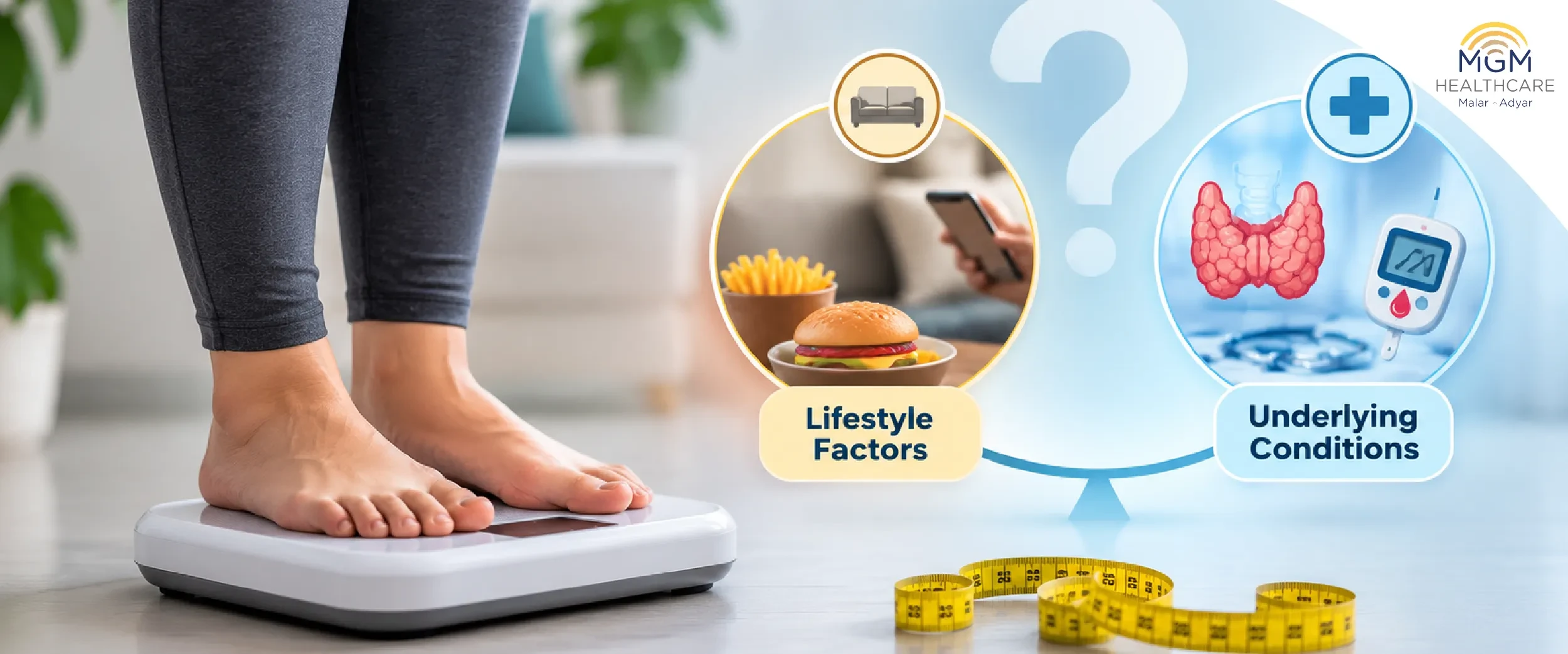
Sudden Weight Gain: Could Your Lifestyle or an Underlying Condition Be the Reason?
Fast Facts
- Rapid weight gain can be caused by lifestyle changes, hormone changes, medications, or underlying health concerns.
- You may gain a few pounds in a few days, but that’s water retention, not fat.Conditions such as hypothyroidism, PCOS, renal illness and heart failure can cause unexplained weight gain.
- Don’t dismiss any weight gain coupled with swelling, unusual weariness or shortness of breath.
- Knowing what the problem is early will assist in finding the proper treatment.
What is considered a rapid weight gain?
Rapid weight gain means you are gaining weight quickly over a short period of time, over days or weeks.Moderate weight increase may be due to changes in nutrition or physical activity . Rapid weight gain can sometimes be due to fluid retention , hormonal changes , or an underlying medical problem .
If you gain roughly 2 – 3 kg in a few days without any obvious reason, especially with concomitant symptoms, you may require medical assessment.
Can Your Lifestyle Habits Cause Unexpected Weight Gain?
If you don’t drastically modify your lifestyle, tiny tweaks to your day-to-day routine can affect your weight.
Some of the common reasons behind this are:
Changes in People’s Diet
Eating large amounts, nibbling frequently, consuming sugary drinks and eating processed foods may result in extra calories per day .
Reduced Physical Activity
The less active you are or the more you sit the less calories you will burn.
Sleep deprivation
Not getting enough sleep can interfere with the hormones that help control hunger and appetite, which may lead to stronger desires and eating more.
Too much stress
In time, prolonged stress can alter cortisol levels, eating behaviors and hunger, potentially resulting in weight gain.
Too much salt (sodium)
Water retention: Eating too much salt can contribute to temporary water retention and therefore short term weight gain.
Medical Conditions That Can Cause Sudden Weight Gain
If you’re doing your usual thing and still gaining weight, there could be some health reasons for the change.
Thyroid deficiency
An underactive thyroid can slow down metabolism and result in modest weight gain, partly due to fluid retention. Other symptoms include fatigue, constipation, dry skin and sensitivity to the cold.
Polycystic Ovarian Syndrome (PCOS)
Weight gain may be related to the hormonal abnormalities and insulin resistance that are common in PCOS. Other possible indicators are irregular periods, acne and increased hair growth on the face.
Kidney Disease
Your kidneys may not be able to get rid of excess fluid in the body, which causes excess fluid in the body, rapid weight gain and swelling around your face, hands or ankles.
Heart failure
Heart failure might cause you to hold onto fluid, leading to abrupt weight gain, swollen legs, and extreme tiredness and shortness of breath.
Cushing syndrome
Elevated cortisol levels can lead to weight gain, particularly in the belly, face and upper back. You may also notice you feel weaker and bruise more easily.
Can medications make you gain weight?
Some drugs can affect appetite, metabolism or fluid retention and all of these might impact weight.
This could include:- Steroids (corticosteroids)
Some antidepressants and antipsychotics
- Insulin and some diabetes medicines
- Certain hormonal therapies
- Certain blood pressure medications
If you start a new medication and notice changes in your weight, talk to your doctor. Don’t stop the prescribed treatment until you have spoken to your doctor.
Sudden weight gain or water retention: how do you tell?
Every pound you gain on the scale doesn’t mean you’ve gained body fat. Sometimes your body might be retaining extra fluid.
Water retention may be indicated by:
- Rapid weight gain over a few days- Swelling of the feet, ankles, hands or face
- Rings or shoes that are unusually tight-Daily weight fluctuations
- Swelling around the eyes
Water retention can be temporary, but swelling that persists or has no clear cause can be a sign of kidney, heart, or liver problems.
However, these symptoms alone cannot confirm the cause and may require medical evaluation.
Warning signs you must never ignore
Weight fluctuations are common from time to time. However, other symptoms with unexpected weight gain should be evaluated.
Rapid Weight Gain
If you put on 2–3kg (about 5–7lb) in just a few days for no obvious reason and this is associated with swelling, it may be due to fluid retention.
Chronic Fatigue
Tiredness that can’t be explained and putting on weight can be linked to problems with the thyroid gland or other diseases.
Edema of the Body
Excess fluid buildup can be signaled by swelling in the hands, feet and ankles, or bloating in the face.
Disorders of menstruation
If you have gained weight and your periods have become irregular, you may have acne or excess facial hair, you may have a hormonal condition like PCOS.
Breathlessness
Sudden weight gain or swelling with breathlessness can be a sign of a heart-related problem and requires immediate medical attention.
Seek emergency medical attention immediately if you develop extreme shortness of breath, chest pain or difficulty breathing.
What Tests Are Required for Unexplained Weight Gain?
Your doctor may discuss your symptoms, medical history, medication and lifestyle before prescribing further tests.
Testing may include:
- Depending on the suspected cause
- Thyroid function tests- Blood sugar and HbA1c testing
- Tests of kidney function and Tests for liver function
- Hormone assessments
- Urinalysis
- Imaging or other cardiac work-ups as indicated
Not everyone needs all of these tests. Your doctor will suggest investigations based on your symptoms and examination findings.
Managing Unexpected Weight Gain
If lifestyle behaviors are affected, regular improvements can assist.
- Eat balanced meals : Veggies , fruits , whole grains , protein and fiber dense foods are good .
- Be Active: Try to do some regular physical activity based on your health and fitness levels.
- Sleep Well. Get 7-9 hours of great sleep every night.
- Stress Management: Use relaxation methods and create a regular daily schedule.- Track Weight Changes: Document any unusual weight increases and symptoms.
- Seek Medical Advice If it is a medical cause, then the underlying issue needs to be treated.
Don’t crash diet or change your lifestyle in an extreme way without understanding why your weight is going up.
When to See a Doctor?
If you notice that your weight is going up and your eating and activity habits have not changed, you might want to get checked out medically.
Call your doctor if you have unexplained sudden weight gain, swelling that doesn’t go away, unusual fatigue, hormonal changes or other new symptoms.An Internal Medicine specialist may assess your overall health and recommend further evaluation by an Endocrinologist or other specialist as needed.
Sudden weight gain doesn’t necessarily mean you’re eating more or moving less.Sometimes it can be your body’s way of telling you there’s an underlying health issue. Monitoring the unusual changes and consulting the doctor on time will help to find the cause before any other complications arise.
It’s just as important to understand why your weight is changing as it is to manage it.
Frequently Asked Questions
You can gain weight without changes to your diet because of changes in your physical activity, sleep, hormones, medicines or fluid retention.
“Yes. A slow thyroid can lead to weight gain because it slows down metabolism and causes water retention. But the rise is typically a steady, small one.
Water retention, hormonal changes or sodium intake could be the cause of temporary weight changes. However, sudden unexplained weight gain, especially with edema or dyspnea, must be investigated.
Yes. Over time, chronic stress can change your eating, sleeping and hunger habits, and may add extra weight.
An Internal Medicine specialist can help find potential causes. If there is suspicion of a hormonal condition you may be referred to an Endocrinologist. Understand What Is Behind Your Weight Increase
Contact Us
Appointments
Emergency
MGM - Malar Adyar
Old No. 52 New No. 111, 1 st Main Road, Gandhi Nagar, Adyar, Chennai – 600020


At MGM Malar - Adyar Hospital, our philosophy centers on alleviating the apprehension associated with illness. Recognizing that confronting health challenges entails both physical and emotional struggles, our devoted team is steadfast in delivering outstanding healthcare to enhance your overall wellness and alleviate the stress that accompanies medical conditions. Situated in the heart of the city with a 141-bed facility, we are dedicated to supporting you throughout your healthcare journey.
© 2026 MGM Malar - Adyar. All Rights Reserved.
Part of MGM HEALTHCARE PRIVATE LIMITED