


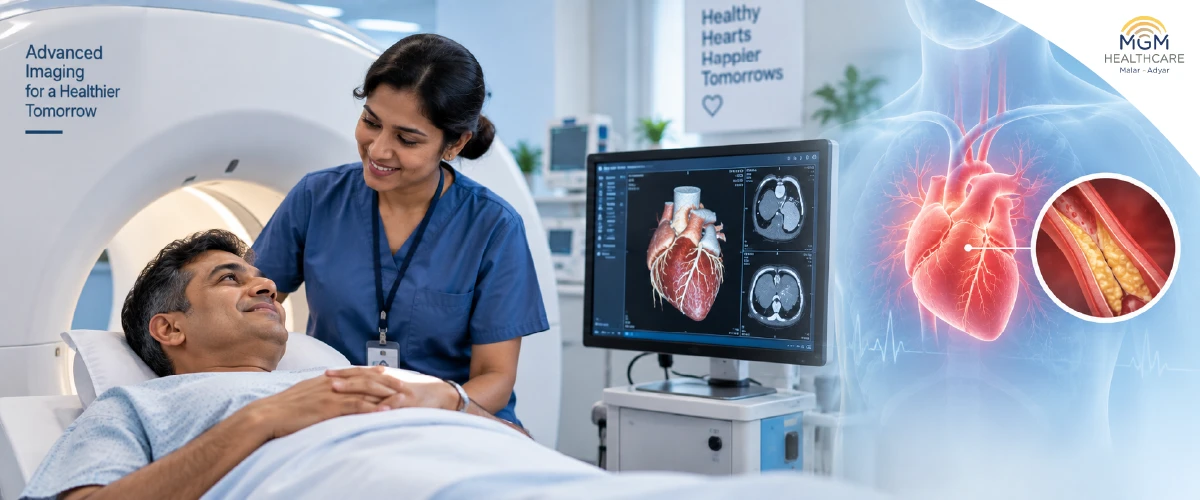
This World Heart Day, Listen to Your Heart
Fast Facts
- Not all heart problems start with severe chest pain.
- Other warning signs may include shortness of breath, unusual tiredness, dizziness or discomfort.
- Visit your doctor regularly for check-ups on your heart so you can catch risk factors early.
- A CT Coronary Angiogram can be used by doctors to assess the blood vessels that supply the heart.
Introduction
Every day your heart is working, without asking for your attention. But when something changes it can send signals that are easy to ignore.
- A little trouble breathing.
- Unexplainable fatigue.
- Pain in the chest.
- Dizzy.
There are many causes for these symptoms, but they should not just be ignored when they are new or persistent.
This World Heart Day, take a moment and listen to your heart. There’s no need to wait until you experience a serious symptom to have your heart health checked.
Spot the Symptoms
Pay attention to symptoms like:
- Chest pain, pressure or tightness
- Shortness of breath, particularly on exertion
- Unexplained fatigue
- Dizziness or blackout
- Palpitations (racing heart)
- Pain or discomfort radiating to the arm, back, neck or jaw
If symptoms are sudden, severe or worsening seek immediate medical attention.
Why Should You Get Screened?
Even if you are feeling healthy, your risk can go up if you have high blood pressure, diabetes, high cholesterol, smoke, are overweight or have a family history of heart disease.
Your heart check-up allows your doctor to assess your risk and determine if further tests are needed.
Coronary CT Angiography
CT Coronary Angiogram (X-ray) An imaging test which uses X-rays to get detailed pictures of the arteries of the heart. It may be used to help doctors find out whether the blood vessels that supply the heart are narrowed or blocked.
Your doctor can decide if this test is right for you based on your symptoms and risk factors.
World Heart Day: Don’t Overlook the Signs
Your heart might not always scream. Sometimes the signs are not obvious.
Listen to your body. Know your risk. Have your heart checked.
T Coronary Angiogram + Cardiac Consultation: ₹3,000*
Prior appointment is mandatory.
For details: 99620 44644 | 044 4289 2222
Medically Reviewed By
Doctor’s Name: Dr Madan Mohan B

Designation: Senior Consultant of Cardiology
Department: Cardiology
Frequently Asked Questions
Early warning signs of heart disease may include chest discomfort, shortness of breath, unusual fatigue, dizziness, palpitations, and pain spreading to the arm, back, neck, or jaw.
Yes. Heart disease can cause symptoms such as breathlessness, unusual tiredness, dizziness, or nausea without noticeable chest pain. Some people may not experience obvious symptoms.
You should consider a heart health check-up if you have high blood pressure, diabetes, high cholesterol, a family history of heart disease, or symptoms such as breathlessness or chest discomfort.
A CT coronary angiogram is an imaging test that uses X-rays and contrast dye to produce detailed images of the coronary arteries. It helps doctors identify narrowing or blockages in the blood vessels supplying the heart.
A doctor may recommend a CT coronary angiogram based on your symptoms, cardiovascular risk factors, and initial test results. It is not necessary for everyone and should be performed when medically appropriate.
Yes. Conditions such as high blood pressure and high cholesterol may not cause noticeable symptoms. Regular health check-ups can help identify these risk factors early.
Major risk factors include high blood pressure, diabetes, high cholesterol, smoking, obesity, physical inactivity, and a family history of heart disease.
Seek emergency medical attention if you experience sudden or severe chest pain, difficulty breathing, fainting, or discomfort spreading to your arm, back, neck, or jaw. Do not delay seeking help.


