


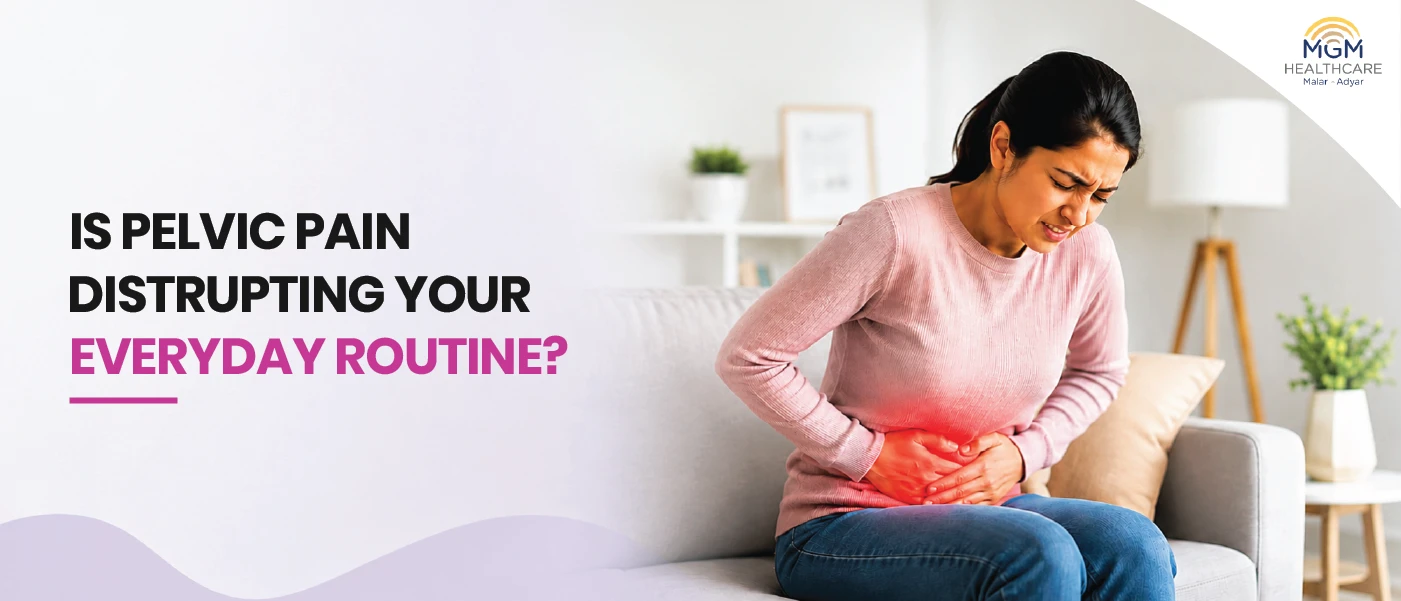
Is Pelvic Pain Disrupting Your Everyday Routine?
Fast Facts
- Pelvic pain can be caused by many things and should not be assumed to be period pain.
- Potential sources can include reproductive organs, urinary tract, gastrointestinal system, muscles, or neural connections.
- Discomfort can be acute, intermittent, or long-term.
- Observing the timing of the pain and any other symptoms that accompany it can help with diagnosis.
- If you have continued pelvic pain, see your doctor.
- If you suddenly develop pelvic pain, heavy bleeding, faintness, fever, or pregnancy-related suffering, seek immediate medical attention.
Introduction
Are you limited in your work, exercise, sleep, or activities because of pelvic discomfort?
Pelvic pain can be uncomfortable and difficult to describe. It may happen during menstrual periods, during sexual intercourse, during urination, during defecation, or even during sitting or walking.
Pelvic discomfort is not just caused by menstrual cramps. It can be caused by many things, and it is important to identify the underlying cause to be able to intervene effectively.
Why does the pelvis hurt?
Painful periods (dysmenorrhea)
Menstrual cramps are common and can cause pain in the lower abdomen and pelvis.
But if the pain of menstruation is severe or getting worse, you should see a doctor.
Endometriosis
Endometriosis is a disorder in which tissue that normally lines the inside of the uterus grows outside the uterus.
You may get pelvic discomfort, especially during your period, that may be related to dysmenorrhea, dyspareunia, or gastrointestinal and urinary problems.
Ovarian Tumors
Ovarian cysts are very common and most of the time do not cause any symptoms. Some cases may cause pelvic discomfort or pain.
Acute severe pain could be a symptom of a problem and has to be assessed right away.
Difficulty urinating
Lower abdominal or pelvic pain may develop from urinary tract infections and other urinary problems, often with urine symptoms as well.
Issues Related to the Pelvic Floor
In some people, strain or dysfunction of the pelvic floor muscles can cause chronic pelvic pain.
Who is more likely to get pelvic pain?
If you tend to experience more persistent pelvic pain, you might have:
- Painful periods
- Endometriosis.
- Previous pelvic surgery
- frequent urinary infections
- Stomach problems
- Dysfunction of pelvic floor
- History of pelvic disease
When to Call the Doctor?
See your physician if you experience:
- Pelvic pain (chronic/intermittent)
- Pain that interferes with your usual routine
- Pain during sex
- Crippling periods that get worse
- Unusual vaginal bleeding or discharge
- Pain on urination or bowel movement
- Challenges to conception
When Is Pelvic Pain an Emergency?
Seek medical help immediately if you have:
- Sudden, severe pain in the pelvic or abdominal area
- Heavy bleeding from the vagina
- Fainting or severe lightheadedness
- Elevated temperature with severe pelvic discomfort
- Severe pain during gestation or probable gestation
- Vomiting with acute pain
What can you do?
- Note your discomfort and menstrual cycle.
- Record any associated urinary, bowel, or sexual symptoms.
- Know why you are self-medicating and don’t keep doing it repeatedly.
- Participate in regular physical activity to the degree you are comfortable.
- Visit a gynecologist for persistent difficulties.
- Follow recommended diagnostic work-ups and therapy measures.
Expert Insights
Chronic pelvic pain is something that should be addressed, especially if it is interfering with your normal activities. Menstrual cramps are common, but severe, chronic or unexplainable pelvic pain may be a sign of an underlying problem that needs evaluation.
Key Points
- There are a number of sources of pelvic pain.
- Severe menstruation discomfort is not always to be considered normal.
- Endometriosis, ovarian cysts, urinary problems, and pelvic floor dysfunction can be involved.
- Record symptoms and associated changes.
- Seek immediate medical assistance if you have sudden severe pain, heavy bleeding, fainting, or pain in relation to pregnancy.
Medically Reviewed by

45+ Years of Experience
MBBS, DGO, Senior Consultant Obstetrics and Gynaecology
MGM Malar Hospital, Chennai.
Book an Appointment
Is pelvic pain disrupting your everyday life?
The expert specialists at MGM Malar will check your symptoms and assist you in finding out the exact cause of your pelvic discomfort.
Reach out to us to book an appointment.
Frequently Asked Questions
Most women have mild to moderate discomfort during their periods. Severe, increasing, or disabling pain needs to be investigated.
Yes. Endometriosis can cause pelvic pain, especially during your period, and can cause other symptoms.
Yes. Pain during urinating in the pelvis may be caused by urinary tract infections and other diseases of the urinary system.
Visit the gynecologist if pelvic pain lasts, comes back again, affects your everyday life, or is accompanied by abnormal bleeding, painful sex, or reproductive problems.


